Combined sewer discharge, long-distance centralized sewage collection and end-of-pipe treatment represent the prevailing traditional model worldwide. Infrastructure supporting this approach has only been well-established in early industrialized countries and regions. Most developing nations struggle with low sewage collection rates and limited funding. Furthermore, large-scale centralized schemes often impose substantial disruptions to existing buildings, facilities, and people's regular production and daily lives during implementation.
Infrastructure improvement calls for solutions featuring low impact, low cost and high efficiency.
Our extensive project experience demonstrates that unconventional technologies including distributed semi-centralized systems, source control and vacuum sewage collection can address such challenges.

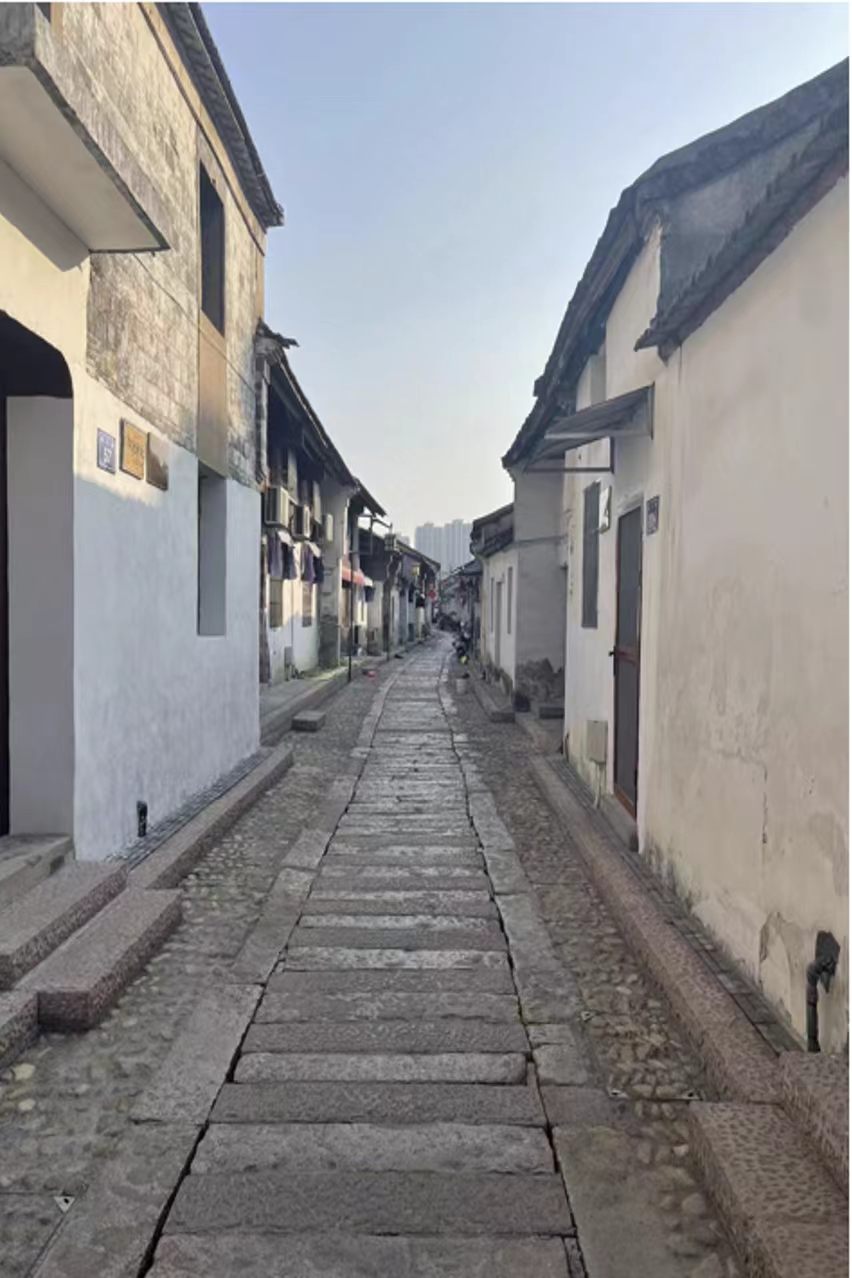

Safe drinking water is always a top priority, and water supply construction usually takes precedence. Yet in practice, sewage treatment is often overlooked for years after water supply upgrades. As living standards rise, water usage surges, generating far more wastewater. By then, traditional gravity sewage systems face major hurdles: higher construction costs, complex construction conditions, and conflicts with existing roads and buildings.
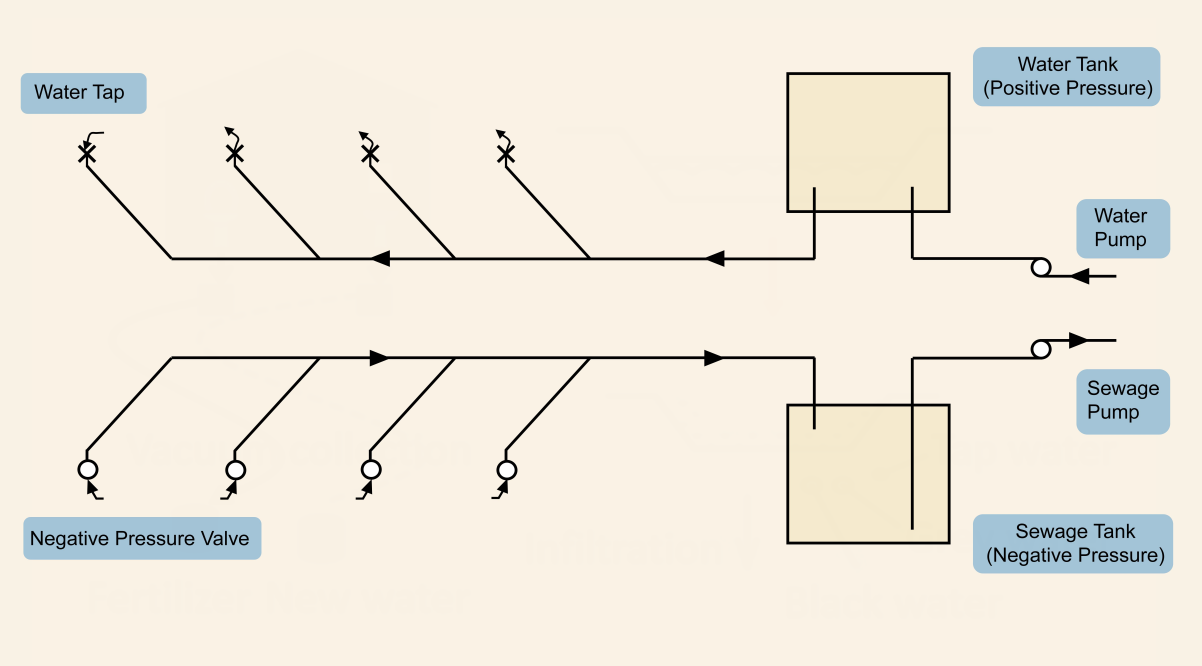

The combined discharge of rainwater and domestic sewage directly into surface water bodies triggers eutrophication, leading to black and odorous water, and posing risks to drinking water sources. Vacuum collection, an efficient and low impact solution.
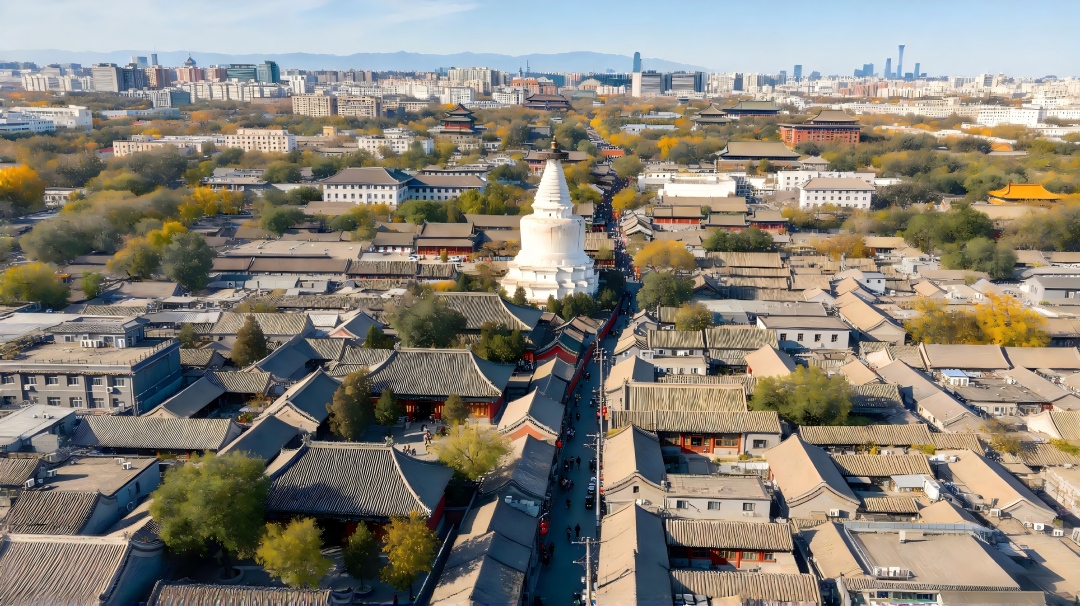
The centuries-old waste collection tradition in historic and cultural conservation districts can no longer meet modern living requirements. Sewage is discharged through original flood drainage channels and pollutes the environment. Massive rainwater infiltrates the sewage system, undermining the efficiency of treatment facilities. Short implementation time and minimized space requirement is fulfilled by vacuum collection.
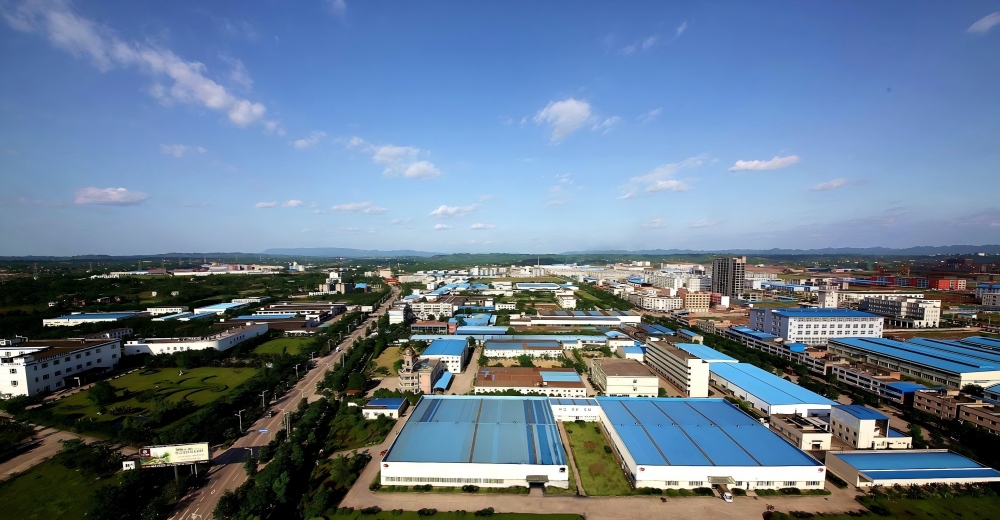
During rapid-speed urban expansion, suburban fringe areas often lack access to major municipal pipe networks. The decentralized vacuum sewage collection system serves as an optimal solution for sewage connection to municipal pipelines or on-site distributed purification.

Rural areas feature low-density and scattered settlements, which drives up the cost of water supply infrastructure. Conventional combined gravity-flow sewage collection and treatment proves tough to implement and extremely costly. The source-separation solution built upon vacuum collection boasts unmatched strengths: water conservation, simple deployment for sewage gathering, land-oriented resource recycling, and low-cost, efficient grey-water treatment.
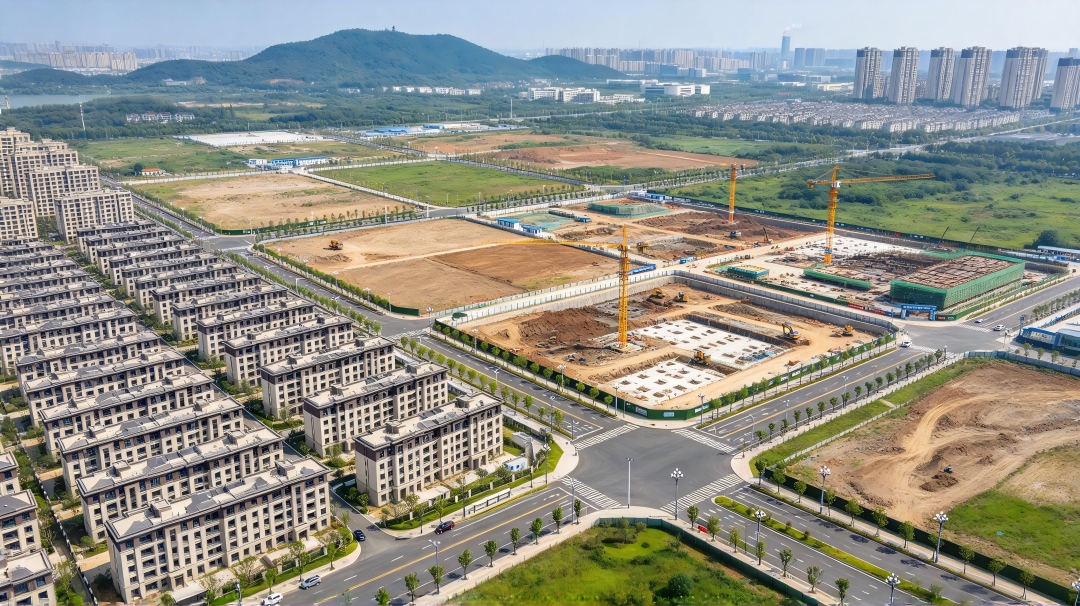
Urban area development is plagued by planning related uncertainties over population growth and the capacity of sewage infrastructure.Such uncertainties hinder capital financing, reduce investment efficiency and trigger misalignment between capital input and stakeholders. Our decentralized and cluster based solutions together with supporting technical products deliver robust, cost effective support for real estate development.
Flexible. Robust. Cost-effective. Smart.
A result of long years R&D and comprehensive practical experiences for all kinds of indoor and outdoor scenarios. Whether it is sewage, food waste, blackwater, yellow water, or industrial wastewater, this technology is your essential choice for a seamless collection.
CHALLENGE US →